Puppy Teething Timeline: When It Starts, Peaks, and Ends
Puppy Teething Timeline: When It Starts, Peaks, and Ends
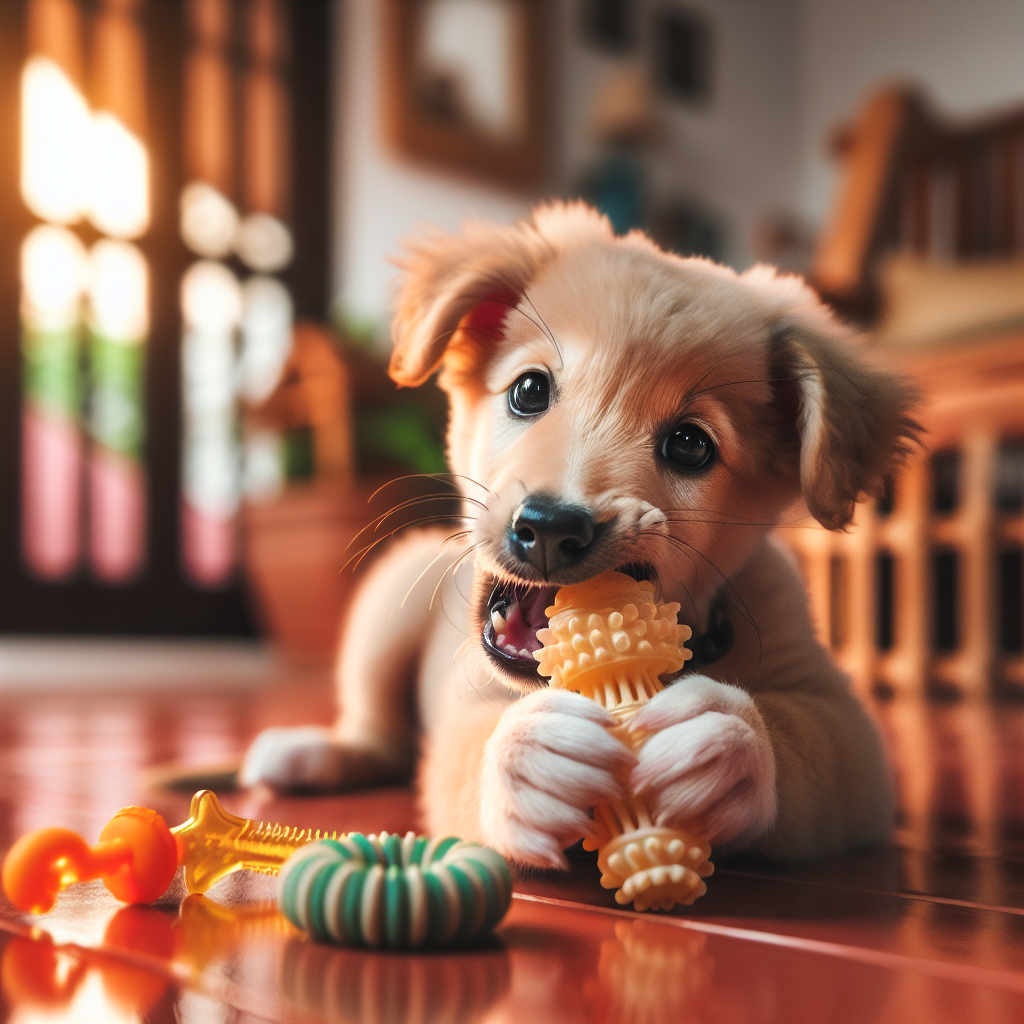
If your puppy is gnawing on everything they can reach — your furniture, your shoes, your hands, the corner of the wall — teething might be the reason. And knowing exactly where your puppy is in the teething process can make a real difference in how you handle it.
Teething is one of those universal puppy experiences that's completely normal but genuinely uncomfortable for your pup. Understanding the timeline helps you anticipate the tough phases, provide the right relief at the right time, and know when something might actually need veterinary attention.
Let's walk through the complete puppy teething timeline, stage by stage.
The Complete Teething Timeline
2 to 4 Weeks: Baby Teeth Begin to Emerge
Your puppy's first teeth start coming in while they're still with their mother and littermates. These tiny, needle-sharp teeth are called deciduous teeth (or "milk teeth"), and they begin pushing through the gums at around 2 to 3 weeks of age.
The first teeth to appear are usually the incisors — the small front teeth. Puppies have 6 incisors on the top jaw and 6 on the bottom.
What you'll notice: If your puppy is still with their breeder during this stage, you probably won't see this firsthand. But if you're fostering a young litter, you'll notice puppies starting to chew on things and on each other as those first teeth come through.
3 to 5 Weeks: Canines and Premolars Arrive
The canine teeth (the long, pointed "fang" teeth) typically emerge around 3 to 4 weeks, followed by the premolars around 4 to 5 weeks.
By about 5 to 6 weeks of age, most puppies have a full set of 28 baby teeth:
- 12 incisors (6 top, 6 bottom)
- 4 canines (2 top, 2 bottom)
- 12 premolars (6 top, 6 bottom)
Puppies don't have baby molars. Those only come in as adult teeth later.
What you'll notice: This is when play-biting between littermates really starts to hurt. Those baby teeth are incredibly sharp — designed to help puppies learn bite inhibition, because a gentle bite from a sharp tooth still creates a strong response from the other puppy.
6 to 8 Weeks: Full Set of Baby Teeth (Typical Adoption Age)
By the time most puppies go to their new homes (typically 8 weeks), they have all 28 baby teeth and are actively using them to explore everything in their world.
What you'll notice: Your new puppy will mouth everything. Your hands, your clothes, furniture legs, shoes, electrical cords — nothing is safe. This is partly exploration and partly because those sharp little teeth are effective tools for investigating textures.
What to do: Begin redirecting mouthing to appropriate chew toys immediately. This isn't teething relief yet — it's establishing good habits before the real teething begins.
12 to 16 Weeks (3 to 4 Months): Baby Teeth Start Falling Out
This is when true teething begins. Your puppy's baby teeth start loosening and falling out as the adult teeth push up from below.
The incisors are typically the first to go, followed by the canines, and then the premolars. The process is gradual — you won't lose all the teeth at once.
What you'll notice:
- You may find tiny baby teeth on the floor, in their food bowl, or stuck in their toys. (Many puppies swallow them, which is completely harmless.)
- Your puppy may drool more than usual.
- Slight bleeding from the gums is normal and usually minimal.
- Chewing and biting behavior increases noticeably.
- Your puppy may be fussier, more restless, or less interested in hard food.
- Some puppies paw at their mouth or rub their face on the ground.
What to do: This is when your chew toy game needs to be strong. Provide a variety of textures and temperatures. Frozen items offer the best relief — the cold acts as a natural anti-inflammatory.
16 to 20 Weeks (4 to 5 Months): Peak Teething
This is the most intense phase. Adult premolars are coming in, canines are being replaced, and the molars — which are entirely new teeth with no baby tooth predecessors — start emerging at the back of the mouth.
This period is often the peak of teething discomfort. Your puppy's mouth is a construction zone.
What you'll notice:
- Maximum chewing behavior. Everything is a chew toy.
- Increased biting intensity. This isn't a training regression — it's pain management.
- Possible decrease in appetite if their mouth is particularly sore.
- Occasional bloody spots on toys or chews. Light bleeding is normal.
- Your puppy may seem more irritable or have shorter attention spans during training.
What to do: Be patient and generous with appropriate chewing outlets. This is not the time to crack down on "bad behavior" — your puppy is genuinely uncomfortable. Increase the availability of frozen chew options. Keep training sessions short and positive. If your puppy refuses hard kibble, try softening it with warm water.
20 to 28 Weeks (5 to 7 Months): Adult Teeth Come In
The remaining adult teeth continue to emerge. The full set of 42 adult teeth includes:
- 12 incisors
- 4 canines
- 16 premolars
- 10 molars
The molars are the last to arrive, typically by around 6 to 7 months.
What you'll notice: Chewing behavior remains elevated but should start decreasing in intensity as more adult teeth settle into place. Your puppy's biting pressure may actually feel different — adult teeth are broader and less needle-sharp than baby teeth, but the jaw is also getting stronger.
What to do: Continue providing appropriate chew outlets. Begin gradually transitioning to more durable toys as your puppy's jaw strengthens. Soft puppy toys may not hold up anymore.
7 to 8 Months: Teething Complete
By about 7 to 8 months, most puppies have their full set of 42 adult teeth and the teething process is over. The gums have healed, the discomfort has passed, and the desperate need to chew on everything should decrease significantly.
What you'll notice: A noticeable decrease in destructive chewing. Your puppy may still enjoy chewing — all dogs do — but the frantic, constant gnawing should subside.
Important note: Some puppies, especially larger breeds, may take a bit longer to finish teething. If your dog is 8 months old and still showing signs of active teething, that's within the range of normal, but mention it at your next vet visit.
Teething Symptoms: What's Normal and What's Not
Normal Teething Symptoms
- Increased chewing and biting
- Drooling
- Slight bleeding from gums
- Finding baby teeth around the house
- Fussiness or irritability
- Decreased appetite for hard foods
- Rubbing face on furniture or carpet
- Mild bad breath
When to Call Your Vet
Most teething resolves on its own without any veterinary intervention. However, contact your vet if you notice:
Retained baby teeth. If an adult tooth has come in but the baby tooth hasn't fallen out, you may see two teeth occupying the same space — this is called a "persistent deciduous tooth." It's most common with the canines. Retained baby teeth can cause alignment problems, crowding, and increased risk of dental disease. Your vet may need to extract the retained tooth.
Excessive bleeding. A small amount of blood on toys or in drool is normal. Consistent or heavy bleeding is not.
Swollen or inflamed gums beyond what seems normal. Some redness is expected, but severely swollen, hot, or pus-filled gums indicate a possible infection.
Refusal to eat for more than 24 hours. Decreased appetite during teething is common, but a complete refusal to eat warrants a vet check.
Misaligned teeth. Once adult teeth are in, they should meet in a normal "scissor bite" for most breeds. If your puppy's bite looks significantly off, your vet can assess whether intervention is needed.
Broken teeth. Adult teeth that come in cracked or broken need veterinary attention. Broken teeth can expose the pulp, leading to infection and pain.
Safe and Effective Teething Relief
Frozen Solutions (Best for Peak Teething)
Frozen washcloths. Wet a clean washcloth, wring it out, twist or braid it, and freeze it. The texture and cold provide excellent relief. Supervise your puppy while they chew — you don't want them swallowing cloth fibers.
Frozen Kongs. Stuff a Kong with a mixture of peanut butter (make sure it's xylitol-free), mashed banana, plain yogurt, or soaked kibble. Freeze overnight. This provides long-lasting relief and mental stimulation.
Frozen carrots. Whole carrots from the freezer make great teething toys for larger puppies. They're safe to eat, low calorie, and the cold feels great on sore gums. For smaller puppies, use baby carrots.
Ice cubes. Simple, free, and effective. Some puppies love chasing ice cubes around the kitchen floor. The cold soothes gums, and the sliding provides entertainment.
Rubber Chew Toys
Kong Puppy. Made from softer rubber than the adult version, specifically designed for puppy teeth and jaws. Can be stuffed and frozen.
Nylabone Puppy Chews. Designed with softer nubs that massage sore gums. Available in various sizes and flavors.
West Paw Zogoflex. Durable, non-toxic, and dishwasher safe. Comes in various shapes for different chewing styles.
Rope and Fabric Toys
Rope toys provide a different texture that some puppies find especially soothing during teething. The fibers "floss" between teeth and the softness is gentle on sore gums. You can also wet and freeze rope toys for added relief.
Supervision note: Rope toys should always be supervised. If your puppy is shredding the rope and swallowing fibers, remove the toy. Ingested fibers can cause intestinal blockages.
Chew Toys and Items to AVOID
Cooked bones. Cooked bones splinter and can cause choking, intestinal punctures, or broken teeth. Never give your puppy cooked bones of any kind.
Antlers and hard nylon bones. These are too hard for puppy teeth. They're a common cause of fractured teeth in puppies. The general guideline: if you can't make a dent in it with your thumbnail, it's too hard for your puppy.
Rawhide. Rawhide is a choking hazard and can cause intestinal blockages. It also has no nutritional value and is often processed with chemicals. There are better options.
Sticks. Natural sticks can splinter, puncture the mouth or throat, and get lodged between teeth. If your puppy loves sticks, consider a rubber stick-shaped toy instead.
Toys that are too small. Anything small enough to fit entirely inside your puppy's mouth is a choking hazard. As your puppy grows, size up their toys accordingly.
Your old shoes or clothing. Giving your puppy an old shoe teaches them that shoes are chew toys. They can't distinguish between the old shoe you gave them and the new shoes in your closet.
Teething and Training: Adjusting Your Expectations
Teething can temporarily affect your training progress, and that's okay. Here's how to adapt:
Shorten training sessions. If your puppy's mouth is sore, they'll have a harder time focusing. Keep sessions to 3 to 5 minutes during peak teething.
Soften your treats. Hard, crunchy treats may be uncomfortable to eat. Switch to soft treats or use small pieces of cheese, cooked chicken, or commercial soft training treats.
Increase your patience with biting. A puppy who was making great progress on bite inhibition may seem to regress during teething. This isn't a training failure — it's discomfort driving the behavior. Maintain your approach but add extra empathy.
Don't introduce new, difficult skills. Peak teething isn't the time to teach complex behaviors. Focus on reinforcing what your puppy already knows and keeping sessions positive.
Add more enrichment. Puzzle feeders, snuffle mats, and frozen Kongs give your puppy appropriate outlets for their chewing needs while providing mental stimulation.
The Light at the End of the Tunnel
Teething is a phase. It has a clear beginning, a peak, and an end. By the time your puppy reaches 7 to 8 months old, the physical discomfort of teething will be behind them, and much of the intense chewing behavior will decrease.
Your job during this phase is to be your puppy's partner. Provide relief, offer appropriate outlets, protect your belongings through management (not punishment), and keep your training consistent even on the tough days.
The puppies who come through teething with the strongest bite inhibition and the best chewing habits are the ones whose owners understood what was happening and responded with patience instead of frustration.
You're doing great. And this phase really does end.
Need a quick-reference guide for surviving the teething phase? Download our free PDF, 5 Quick Fixes for Puppy Biting, for proven strategies you can use right now to manage biting and chewing — teething or not. Download the Free Guide →